Roof and structural leak detection in Ruthin
Roof and structural leak detection finds water ingress using thermal imaging, moisture meters and drone inspection.

Non-invasive leak detection
Acoustic, thermal and tracer gas
Trace and access claim reports
What are the signs of a roof leak?
Damp on a top floor ceiling after rain, a blistering flat roof or lifted flashing can indicate a leak. ADI Leak Detection Ruthin finds the entry point and reports it for a roofer or insurer.
A roof leak often shows only in wet weather, so note when these signs appear:
- Damp under the roof, on a top floor ceiling or a chimney breast, after heavy rain
- A flat roof that ponds and has started to blister
- Slipped slates, cracked pointing or lead flashing that has lifted
- Water tracking down inside a cavity or behind a rendered wall
- Damp that comes and goes with the weather rather than with the plumbing
Where do roof leaks occur in Ruthin?
Roof leak detection in Ruthin investigates rainwater entering the upper building fabric.
- Historic houses on Castle Street form part of the town’s architectural setting.
- For Ruthin enquiries, the team needs the affected upper room, available roof-space access and known alterations to the covering or extensions.
- Describe whether wetness appears near a junction or changes with weather direction.
- Accessible inspection can follow the moisture route through the actual building and provide evidence for a separate repair decision.
How does ADI Leak Detection Ruthin find a roof leak?
The engineer first rules the plumbing in or out, then inspects the roof covering, flashings and gutters and maps the moisture inside the structure. Once the position is found, the engineer explains it on site before any repair is discussed.
Rain gets in at one point and often appears several metres away, so the survey follows the whole path the water takes, from the entry point through the structure to the stain you can see.
The pattern of damp distinguishes rain entering through the roof from a leak following shower use. The engineer checks that pattern before going onto the roof.
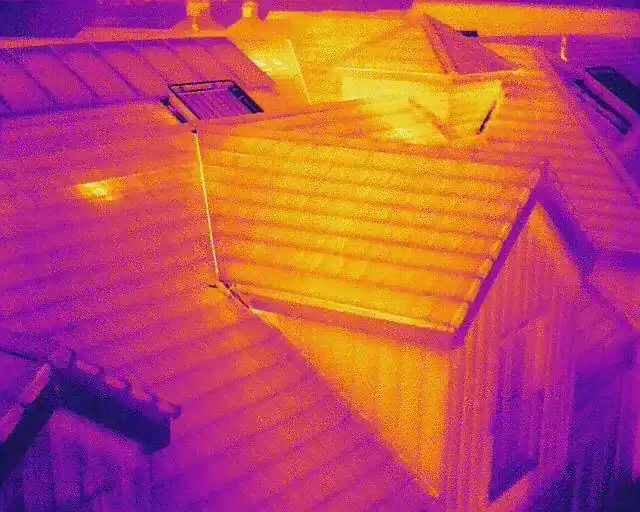
Roof inspection checks slates, tiles, the ridge, valleys, flashings and gutters close up, with a drone where the pitch or height makes that safer.
Thermal imaging shows damp in a flat roof because wet insulation and saturated decking hold heat differently from dry material.
Moisture meter readings establish the spread and direction of water inside the roof structure.
The roof leak report records the entry point, water path and damage with photographs and video for the roofer or insurer.
What happens after a roof leak is found?
Roof and structural leaks are located and reported. ADI Leak Detection Ruthin does not carry out roof repairs, so the report is written to be handed straight to a roofing contractor or an insurer.
Every leak detection visit ends with a written report by the engineer who attended, with photographs and video, formatted for trace and access and escape of water insurance claims.
- The leak position marked on site and explained before you decide anything
- Photographs and video in the written report
How do you arrange roof leak detection in Ruthin?
Send the form with your postcode and a technical advisor will call you back, confirm the service and book the visit.
If you are unsure which investigation you need, describe what you can see when you call and the advisor will tell you.
Same or next day depending upon engineer availability.
What do people ask about roof leak detection?
Roof leak questions are about how long the survey takes, who does the repair and whether it can go ahead in bad weather.
How long does a roof leak detection visit take?
It depends on the size of the roof and how easily it can be reached, so the advisor gives you an estimate when you book.
Does ADI Leak Detection repair the roof after finding the leak?
Roof repairs are carried out by a roofer using the leak report as the brief. ADI Leak Detection Ruthin locates and reports roof and structural leaks.
Can a roof leak survey be carried out in bad weather?
Roof surveys can include indoor and ground-level checks in bad weather, although wind stops drone work. Rain can help show the leak behaving normally.